In the evolving landscape of design and development, the integration of code-to-canvas workflows represents a significant shift. By bringing production code into platforms like Figma, developers and designers are breaking down traditional silos, fostering a more collaborative and fluid approach to product creation.
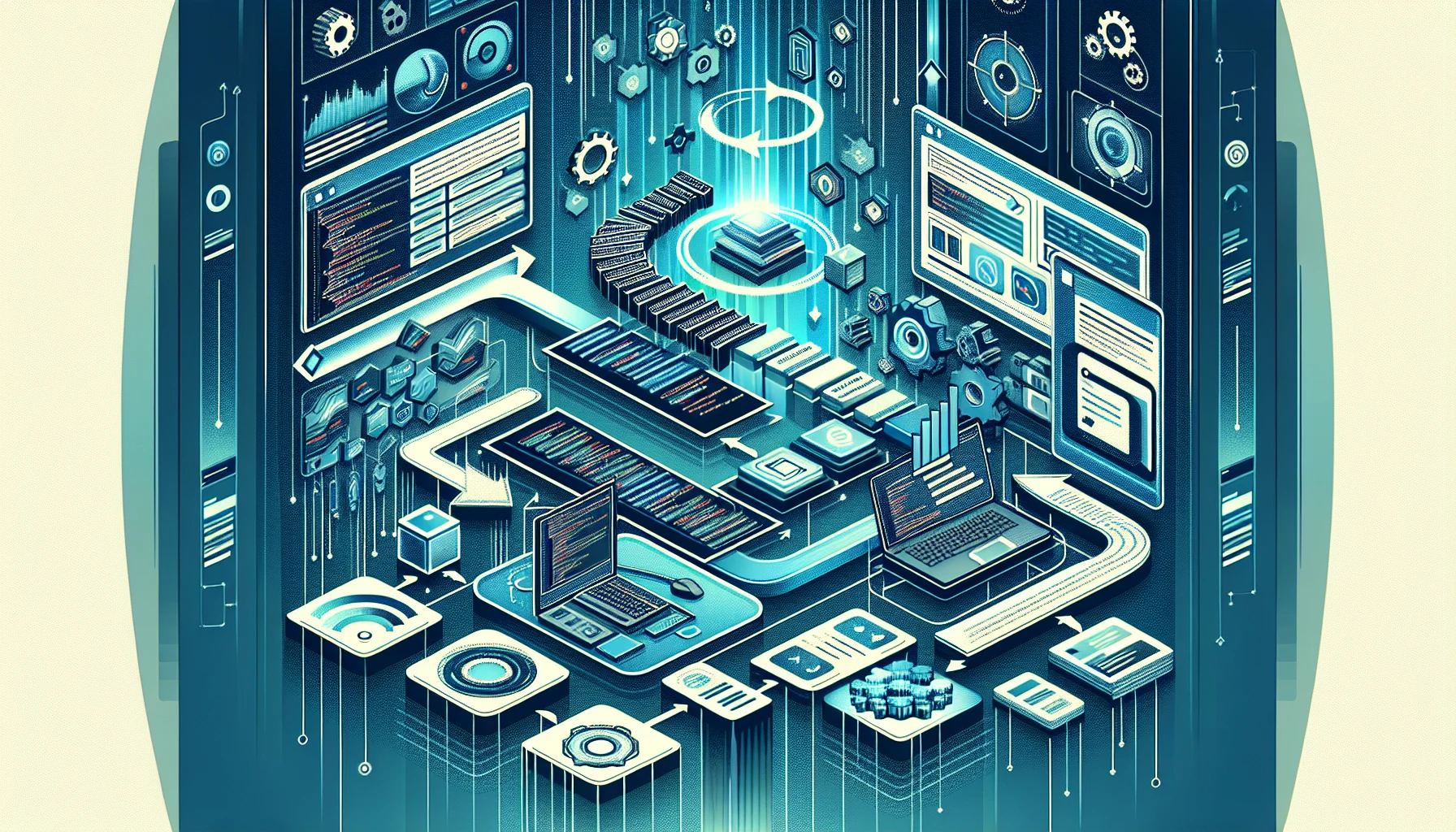
The Power of AI in Design and Development
Artificial intelligence (AI) is rapidly changing the way we approach design and development. According to Deloitte's "State of AI in the Enterprise" report, many organizations are just beginning to tap into AI's potential. The introduction of AI-driven tools like Claude Code is transforming how quickly teams can prototype and iterate on designs.
Gartner identifies AI agents and productivity tools as strategic technology trends for 2026, highlighting a shift in business operations — Gartner
AI accelerates the initial phases of design by providing tangible prototypes that teams can react to immediately, shifting the focus from creation to iteration.
From Code to Canvas: Bridging the Gap
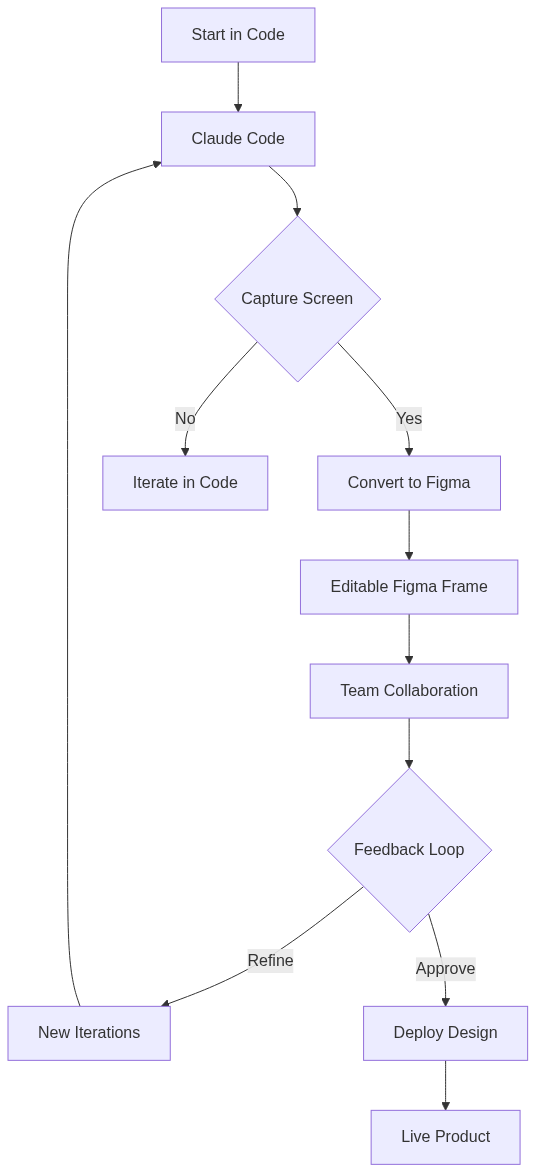
The transition from code to canvas is a game-changer for teams looking to enhance collaboration. By converting production code into editable designs in Figma, teams can visualize entire systems at once. This capability allows for side-by-side comparisons, making it easier to identify patterns, gaps, and inconsistencies without the need for constant reimplementation.
- Capture multiple screens to preserve sequence and context.
- Annotate designs to document decisions and explore alternatives.
Nils Smed notes that AI tools are enabling rapid prototyping, changing the design and engineering landscape — LinkedIn

Enhancing Team Collaboration and Decision-Making
Bringing code into a shared visual space like Figma empowers teams to make better decisions earlier in the process. By reacting to the same design artifact, team members can surface questions and explore options while decisions are still malleable.
Incorporating design elements directly into the development workflow ensures that everyone, from designers to product managers, can contribute to the conversation. This approach not only improves the quality of the final product but also enhances team cohesion and understanding.
AI's role as a business partner will enhance teamwork and infrastructure efficiency — Microsoft
Real-World Applications and Benefits
The use of AI in bridging design and development is not just theoretical. A colleague of Nils Smed was able to build a Twitch Chat sentiment scorer in just three hours using AI tools, demonstrating the potential for rapid development cycles.
For Jina Code Systems, these innovations are integral to our mission. By leveraging AI agents and automation platforms, we help businesses design and scale intelligent systems that are not only efficient but also innovative.
The Future of Code-to-Design Workflows
As we look towards the future, the integration of code-to-design workflows will become increasingly prevalent. The ability to fluidly move between coding environments and design canvases will allow for more seamless transitions and greater innovation.
According to Gartner, the strategic focus on AI and productivity tools will continue to grow, making these workflows an essential component of modern development strategies.
Despite high expectations, many AI investments have yet to deliver meaningful returns, highlighting the need for strategic implementation — Harvard Business Review
Conclusion
The integration of code-to-canvas workflows marks a new era in design and development. By embracing these tools, organizations can foster a more collaborative environment, enhancing both speed and creativity. As businesses navigate these changes, partnering with experts like Jina Code Systems can ensure they not only adapt to but also thrive in this new landscape.