The AI world is buzzing—not just with new models, but with the rise of open-source agents that promise to democratize automation. As projects like OpenClaw transition from cult favorites to foundational tech stacks, a crucial question emerges: Who should shape the future of AI agents? Is it the big companies, the venture boards, or the relentless builders who obsess over code and community? From Jina Code Systems’ perspective, the answer will define the next chapter in enterprise automation.

OpenClaw’s Journey: More Than a Viral Moment
In just a few weeks, OpenClaw went from a playful side project to a global phenomenon, capturing the imagination of developers and non-technical users alike. What made it different? Radical accessibility. Rather than targeting the Fortune 500 or data science PhDs, OpenClaw’s vision is to build agents anyone can use—from seasoned engineers to someone’s mother.
This isn’t just a feel-good story. It reflects a broader trend in AI: open, community-driven projects often outpace closed enterprise initiatives in real-world adoption. Consider that
By 2027, 75% of enterprises will use open-source AI components in their core solutions — Gartnerand the pace of innovation is accelerating as a result.
- Open-source agents lower barriers: Anyone can experiment, adapt, and deploy them.
- Community-driven development fuels rapid iteration: Bugs are found, features are added, and best practices spread faster than in closed environments.
- Transparency and trust: Open projects foster greater confidence in how data is handled and decisions are made.
Why Builders—Not Boards—Must Lead the Agent Revolution
There’s a temptation in the enterprise world to lock transformative tech behind complex governance boards and strategic committees. But history shows that the most impactful digital systems are forged by builders—those who relentlessly prototype, ship, and iterate in the open.
OpenClaw’s creator chose to partner with OpenAI, not to chase scale for its own sake, but to accelerate the mission: agents for everyone, not just the enterprise elite. This ethos resonates with the AI agent movement at large. As McKinsey found:
Organizations that empower technical talent at the edge are 2.5x more likely to achieve breakthrough AI outcomes than those that centralize decision-making — McKinsey, 2023
For digital leaders, the lesson is clear:
- Prioritize tools and platforms that enable rapid experimentation
- Invest in open ecosystems where your own teams—and the broader community—can contribute
- Resist the urge to over-govern: Let innovation flow from the bottom up
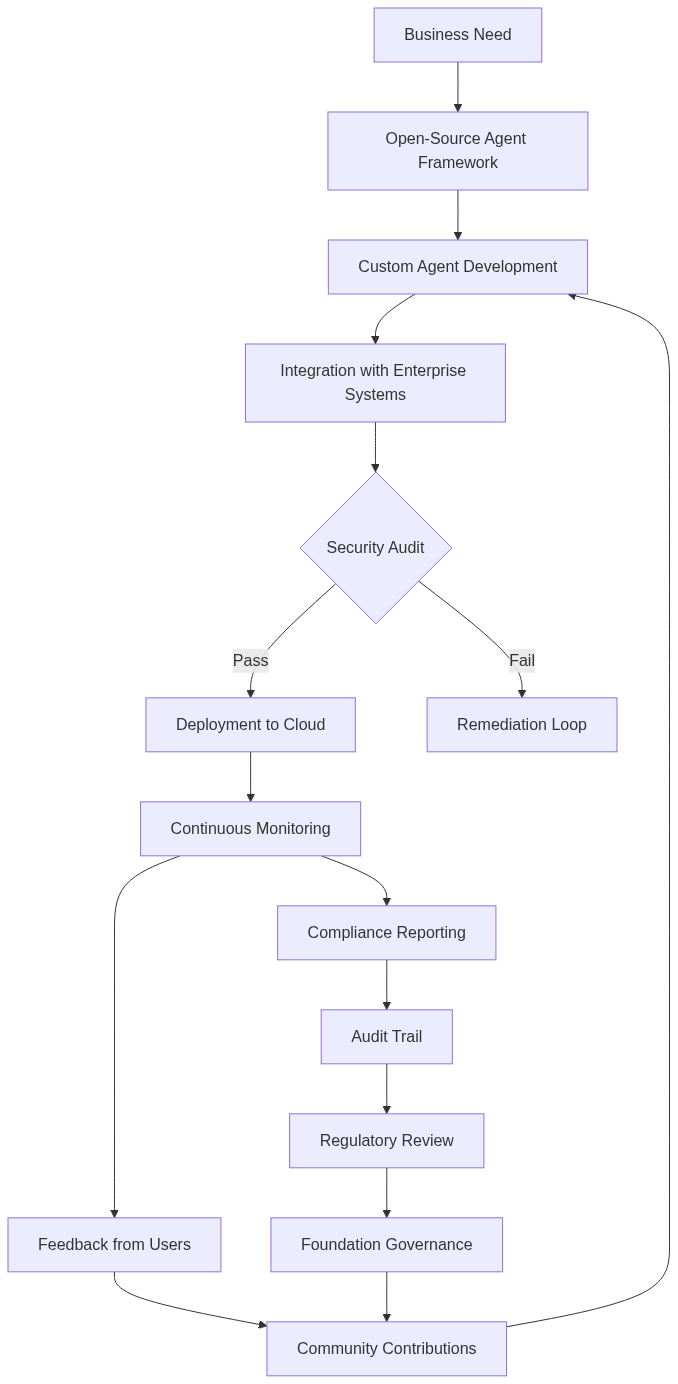

Open-Source Agents: The Backbone of Next-Gen Enterprise Systems
What does this mean for enterprises looking to scale intelligent automation? Open-source agent frameworks are quickly becoming the preferred foundation for digital transformation initiatives.
- Flexibility: Enterprises can tailor agents to unique workflows, integrate with legacy infrastructure, and avoid vendor lock-in.
- Security and Compliance: Open codebases allow for rigorous audits and enhancements, a key concern as AI regulations tighten globally.
- Cost Savings: According to Forrester,
firms adopting open-source automation platforms reduce total cost of ownership by up to 30% over proprietary solutions
Real-world examples abound. Financial institutions have deployed open-source AI agents to automate KYC checks and fraud monitoring, while logistics leaders use them to orchestrate multi-agent workflows for supply chain optimization. At Jina Code Systems, we’ve seen clients accelerate their AI rollouts by leveraging community-driven agent toolkits, then layering proprietary enhancements on top.
The Foundation Model: Keeping Innovation Open and Accountable
As OpenClaw transitions into a foundation, it signals a broader shift: the best AI systems will be those that remain open, extensible, and community-governed. Foundations offer a pragmatic path forward: protecting the project’s independence, ensuring ongoing support, and inviting a diverse ecosystem of contributors.
This model isn’t just for idealists. It’s a practical response to industry realities:
- Enterprises want to own their data and destiny, not be beholden to a single vendor’s roadmap.
- Developers demand transparency in how models and agents are trained, evaluated, and updated.
- Regulatory pressure: New AI laws in the EU and US increasingly favor open, auditable systems.
Gartner predicts that by 2026,
60% of large organizations will participate in at least one open-source AI foundation, up from just 15% in 2022. The direction of travel is unmistakable.
How Jina Code Systems Accelerates the Open Agent Revolution
At Jina Code Systems, we believe the next wave of digital transformation will be powered by open, intelligent agents—built not just for, but with, the community. Our experience engineering large-scale AI solutions for enterprises shows that maximum value comes from:
- Combining open-source agent frameworks with enterprise-grade orchestration and security
- Empowering internal teams to experiment and customize agents safely
- Building automation platforms that integrate seamlessly with cloud-native infrastructure
- Ensuring every agent and workflow is auditable, explainable, and compliant
When enterprises embrace this philosophy, they unlock agility, reduce costs, and foster a culture of continuous innovation.
Conclusion
The future of AI agents isn’t gated by exclusive boards or hidden behind proprietary APIs. It’s being built in the open—by hackers, thinkers, and engineers who care about real-world impact. As open-source foundations like OpenClaw blaze the trail, enterprises have a once-in-a-generation opportunity to join in, shaping digital systems that are smarter, safer, and truly collaborative. Jina Code Systems stands ready to help organizations design, deploy, and scale these next-generation agents—ensuring your innovation isn’t just fast, but future-proof.