In the evolving landscape of digital marketing, AI-powered advertising is emerging as a game-changer, particularly within conversational platforms like ChatGPT. As companies explore innovative ways to integrate ads without compromising user trust, the potential for AI-driven personalization is immense. But how does this affect businesses and consumers?

The Role of AI in Digital Advertising
AI technologies are increasingly being adopted in digital marketing, promising to enhance efficiency and personalization. According to the Digital Marketing Institute, AI adoption is expected to significantly grow by 2026, reshaping how marketers approach consumer engagement.
- AI offers the ability to analyze vast amounts of data quickly, providing insights that were previously unattainable.
- It enables advertisers to deliver highly targeted ads based on user preferences and behaviors.
The IAB's 2026 State of Data Report highlights AI's transformative role in marketing measurement and attribution.
Integrating Ads in Chatbot Interfaces
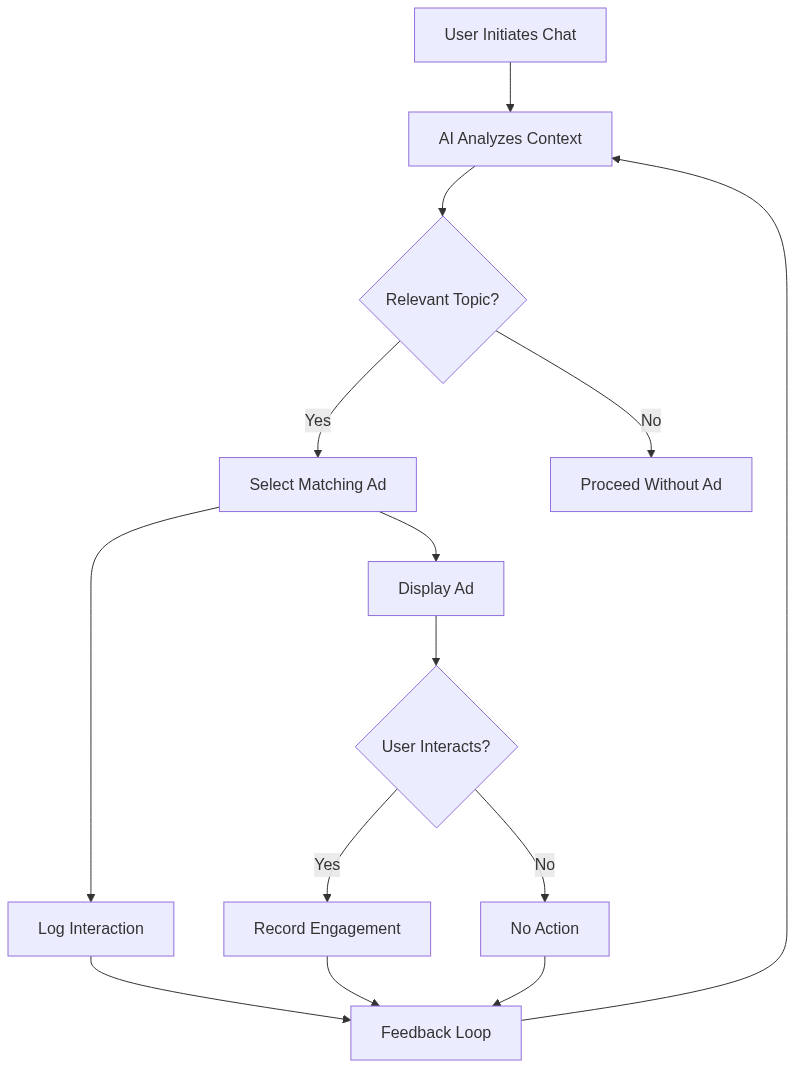
OpenAI's recent initiative to test ads in ChatGPT highlights the potential for AI to revolutionize how ads are presented within conversational interfaces. This approach prioritizes user experience and privacy, ensuring that ads are non-intrusive and relevant.
- Ads are clearly labeled and visually separated from organic content, maintaining answer independence.
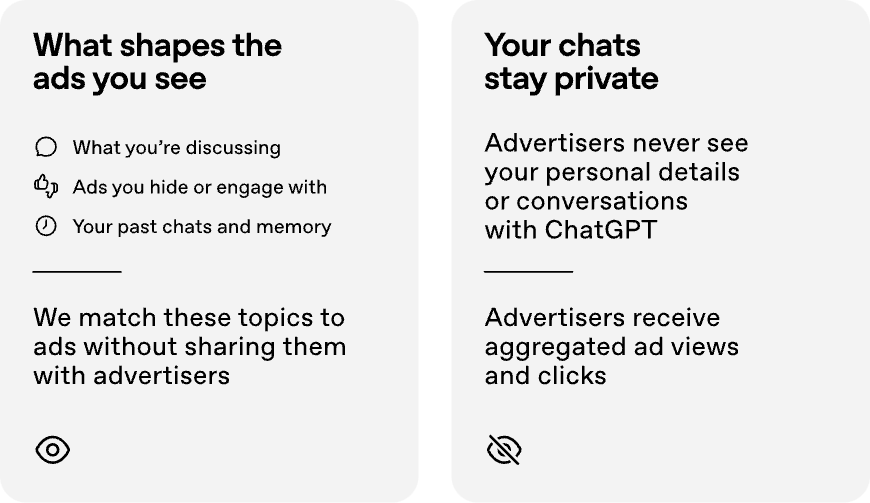
- Ad targeting leverages AI to match ads with the user’s current context and past interactions, without sharing personal data with advertisers.
According to McKinsey, generative AI is significantly impacting areas like M&A by improving processes such as target identification.
Challenges and Considerations
While the integration of AI in advertising presents numerous opportunities, it also poses challenges that need careful consideration. Key among these is consumer skepticism towards AI-driven ads.
- U.S. consumers remain wary of AI, highlighting the need for transparency and education.
- Ensuring privacy and data security is critical to building trust in AI-powered advertising.
Despite AI's benefits, a Kantar study indicates uncertainty about consumer reactions to AI-generated ads.
Real-World Applications and Success Stories
Several brands have already leveraged AI-driven advertising with notable success. For instance, Pragmatic Digital has documented campaigns where brands achieved high ROI through AI strategies, demonstrating the effectiveness of this approach.
- AI enables dynamic ad personalization, resulting in higher engagement rates.
- Brands can optimize ad spend by targeting the right audience segments more precisely.
Successful AI advertising campaigns have been documented by Pragmatic Digital, showcasing high ROI through AI-driven strategies.
Looking Ahead: The Future of AI in Advertising
The future of AI in advertising is promising, with trends pointing towards more integrated and personalized ad experiences. As AI technologies evolve, businesses will have more tools to enhance their marketing strategies.
- AI and predictive intelligence are key trends shaping the future of digital advertising.
- There is a growing need for clear standards and disclosures to build consumer trust.
Smartly.io identifies cross-channel strategies as a key trend in digital advertising for 2026.
Conclusion
As AI continues to transform digital advertising, businesses must navigate challenges while capitalizing on opportunities for innovation. At Jina Code Systems, we empower enterprises to design and scale intelligent systems that leverage AI for smarter operations and continuous innovation. Partner with us to explore how AI can enhance your advertising strategies and drive business growth.