The evolution of artificial intelligence (AI) is reshaping industries, with software development at the forefront. At Anthropic, an AI pioneer, the boundaries of automation are being pushed as their AI tool, Claude, essentially writes its own code. This self-sustaining development model is not only groundbreaking but also indicative of the future of technology where AI plays a central role in innovation.

Claude's Self-Writing Code: A Paradigm Shift
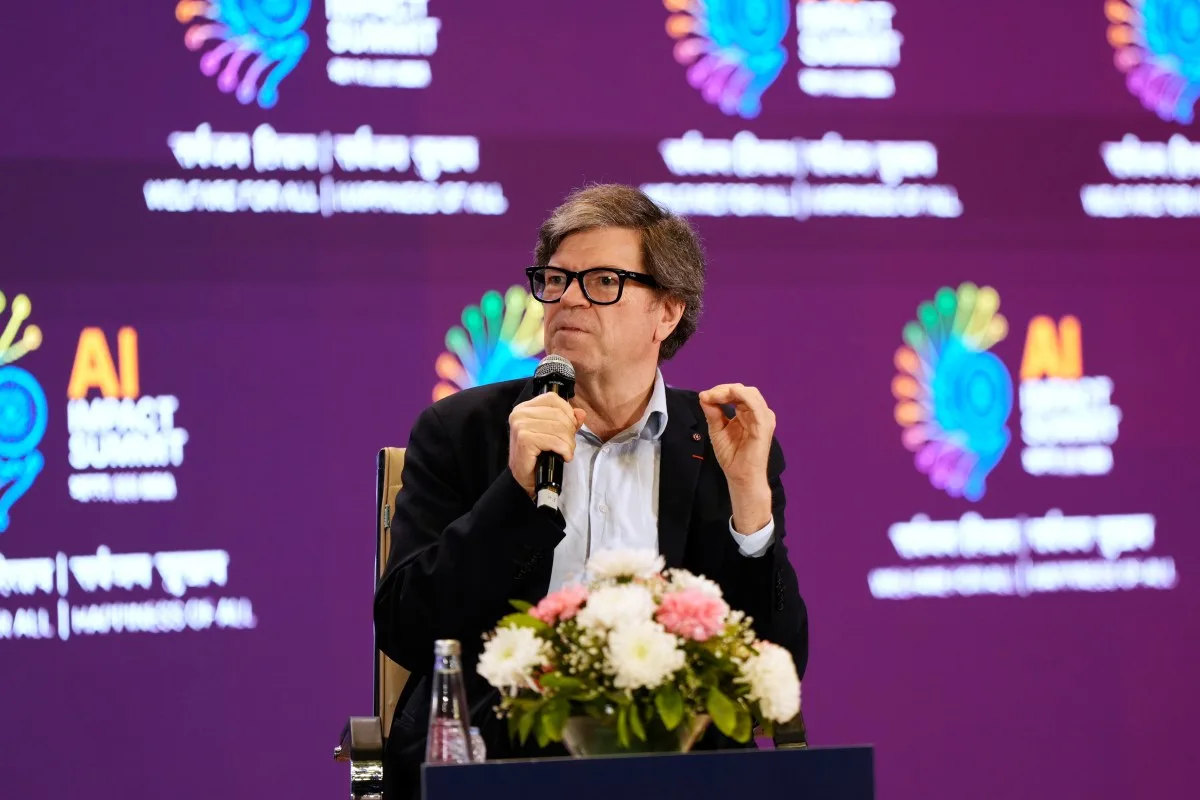
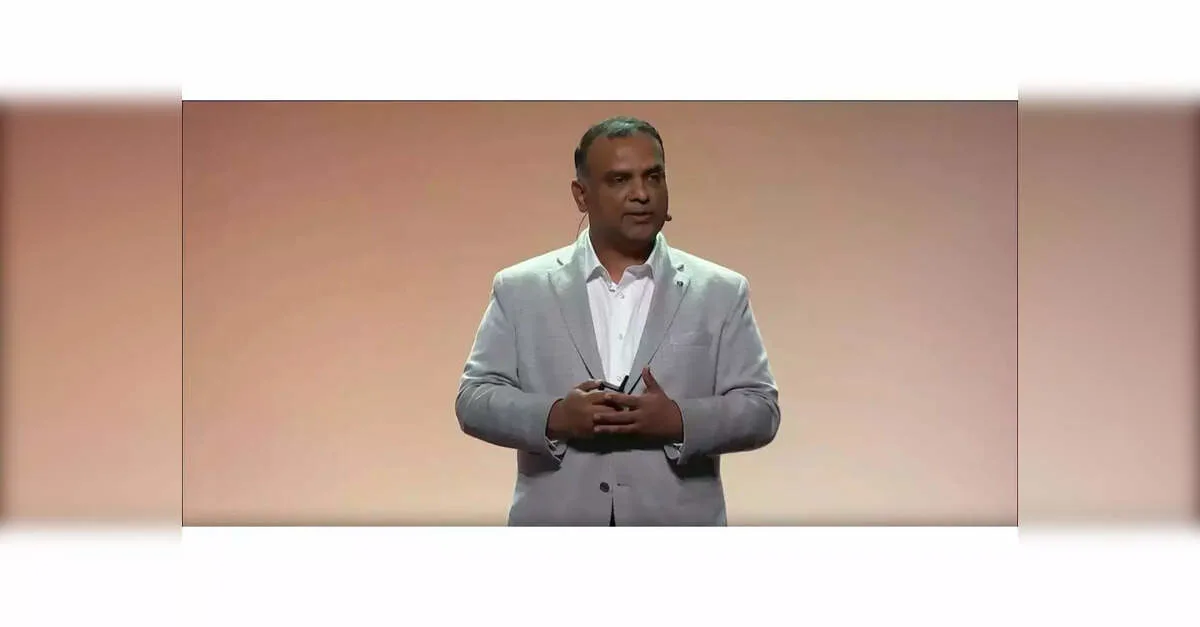
Anthropic's Claude is rewriting the rulebook by generating nearly 100% of its own code. As confirmed by Anthropic’s Chief Product Officer, Mike Krieger, during Cisco’s AI Summit, the company has effectively harnessed AI to automate its internal coding processes. This move signifies a major leap from the estimated 90% automation previously envisioned by Anthropic CEO Dario Amodei.
By 2030, AI could eliminate 50% of white-collar jobs — Dario Amodei, Anthropic CEO
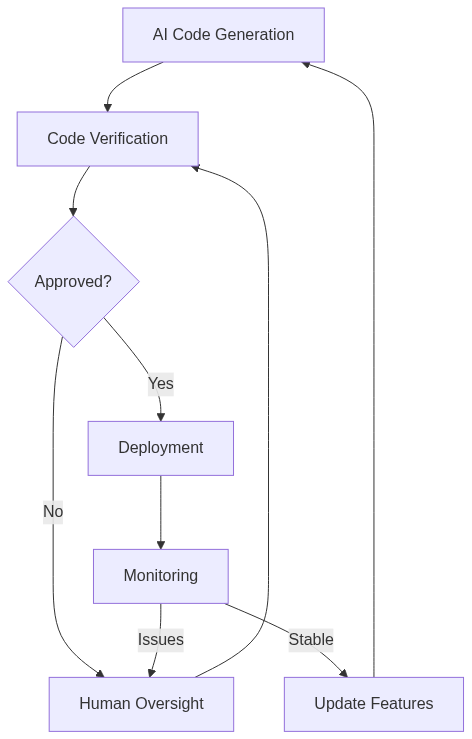
Human involvement now primarily focuses on oversight and verification, ensuring that the AI-generated code meets quality standards. With AI taking on such a significant role, it raises questions about the future of traditional coding roles.
The Impact on Software Development
The implications of Claude's capabilities extend beyond Anthropic. According to Grand View Research, the AI in software development market is poised to expand from USD 674.3 million in 2024 to USD 15,704.8 million by 2033, driven by a 42.3% CAGR. This growth is fueled by AI's ability to streamline coding processes, enhance productivity, and reduce human error.
- Increased efficiency: AI can double the speed of software development tasks, as noted by McKinsey.
- Enhanced accuracy: AI-generated code reduces errors and improves code quality.
- Scalable solutions: AI enables companies to manage larger projects with fewer resources.
Software developers can complete tasks up to twice as fast using generative AI — McKinsey
Real-World Applications and Case Studies
Anthropic isn't the only company leveraging AI for coding. Industry giants like Uber and Netflix utilize AI for feature evaluation and tech debt management, demonstrating AI's role in enhancing organizational productivity. These case studies illustrate how AI can be integrated into various stages of the Software Development Life Cycle (SDLC), from code generation to intelligent DevOps.
For instance, with the latest Opus 4.6 update, Claude can effortlessly create C compilers, a task challenging even for seasoned developers. This capability positions Claude as a leader in the AI coding tool market, underscoring its potential to transform software development practices.
Claude is being written by Claude, showcasing AI's power in self-sustained coding — Mike Krieger, Anthropic
The Human Element: Oversight and Innovation
As AI takes over routine coding tasks, the role of human developers is shifting towards oversight, strategic planning, and innovation. Fredrik Rudberg, a contrarian thinker on AI, suggests that AI will enhance rather than replace human coders, emphasizing the importance of maintaining hands-on technical skills.
At Jina Code Systems, we recognize the synergy between AI and human ingenuity as vital. Our focus on AI agents and automation platforms enables businesses to operate smarter, integrating AI's efficiency with human creativity for continuous innovation.
AI should be used to make humans smarter rather than dumber — Medium
Future Outlook: Embracing AI in Development
Looking ahead, the integration of AI in software development is inevitable. As AI tools like Claude continue to evolve, they will redefine what it means to code, shifting the focus from traditional programming to strategic oversight and enhanced user experience design.
For organizations ready to embrace this change, partnering with companies like Jina Code Systems can provide the expertise needed to implement and scale AI-driven solutions effectively. Our commitment to designing intelligent digital systems positions us as a leader in facilitating this technological transformation.
Companies must prepare for an AI-driven future by investing in training and development, ensuring their teams are equipped to leverage AI's full potential.
Conclusion
As AI continues to evolve, its role in software development will become increasingly significant. The journey of Claude at Anthropic exemplifies the transformative power of AI, paving the way for a future where AI and human creativity work hand in hand. Jina Code Systems is here to guide enterprises through this transition, helping them harness AI to drive innovation and success in the digital age.