In the digital age, the promise of technology is to make life simpler and more equitable. Yet, for many individuals, especially those with disabilities, this promise remains unfulfilled due to the persistent accessibility gap. This gap represents the delay between new tech features and the development of assistive technologies that make them usable. At Jina Code Systems, we believe that the future of accessibility lies in the proactive design of agentic systems that are native to digital interfaces.
The Challenge of Accessibility in Technology
The accessibility gap is a major barrier to digital equity. According to AudioEye, AI tools can expedite the identification and correction of accessibility issues, yet they alone cannot ensure a comprehensive user experience. This highlights the need for a more integrated approach where accessibility is built into systems from the ground up.
AI tools make finding and fixing accessibility issues faster and easier, but they do not ensure compliance and great user experience by themselves — AudioEye
Multi-System Agents: A New Paradigm
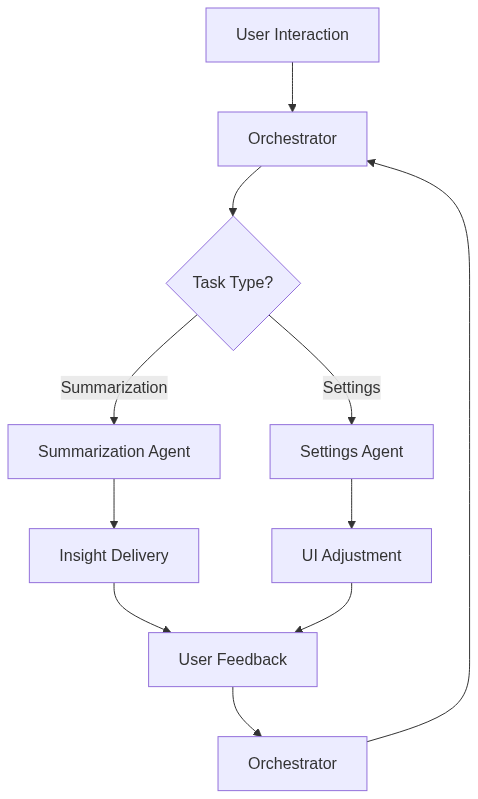
At the forefront of resolving this issue are multi-system AI agents that redefine user interaction with technology. These agents, such as the Orchestrator model, manage complex tasks by delegating them to specialized sub-agents. This modular approach ensures that every task is handled by the most relevant expertise, simplifying user interactions and enhancing accessibility.
- Summarization Agent: Breaks down complex information into accessible insights.
- Settings Agent: Dynamically adjusts user interface elements like text scaling.
Such systems transform how users engage with technology, making specialized functionality intuitively accessible without the need for extensive user input.

Toward Multimodal Fluency
Moving beyond basic text-to-speech, the goal is to achieve multimodal fluency. With advancements like Gemini, which process voice, vision, and text simultaneously, AI can convert live video into interactive audio descriptions. This approach not only describes visual content but also fosters situational awareness, allowing users to interactively query their surroundings and reduce cognitive load.
By 2026, AI will enhance teamwork, security, and infrastructure efficiency, indirectly benefiting accessibility efforts — IBM
Implementing AI for Inclusive Design
Real-world applications of AI in accessibility demonstrate its potential. A case study by iSoftStone for a Fortune 100 company illustrates how AI tools can support inclusive design, saving significant working hours while adhering to accessibility principles. However, as noted by experts, the integration of human expertise remains crucial to achieving truly inclusive outcomes.
An article from the Ministry of Testing highlights that while AI tools support accessibility testing, human expertise remains essential for achieving truly inclusive outcomes — Ministry of Testing
Future Perspectives and Challenges
While AI presents exciting opportunities, it must be implemented carefully to avoid exacerbating existing barriers. As highlighted by Gus Alexiou in Forbes, there is a risk that AI could create new challenges for those it aims to assist. Therefore, thoughtful design and deployment are critical to ensuring AI enhances rather than hinders accessibility.
Gus Alexiou questions whether AI advancements will enhance access to technology or create new barriers for people with disabilities — Forbes
Conclusion
The journey toward accessible technology is ongoing, with AI agents offering a promising path forward. By integrating intelligent agentic systems, we can bridge the accessibility gap, transforming the digital landscape into one that is truly inclusive. At Jina Code Systems, we are committed to helping enterprises design and implement these solutions, ensuring that technology serves everyone, everywhere.